
From ancient myths to ‘Indo-manga’:
How artists in the Global South are reframing comics

Since their so-called “Golden Age” in the 1940s, comics have often been treated as a universal visual language: stories told in panels and speech bubbles that function much the same wherever they appear.
Now, a new volume of comics studies is challenging that assumption. Comics and the Global South brings together work from across Latin America, Africa, Asia and beyond to argue that comics from these regions need to be read on their own cultural terms. Doing so, the book suggests, will unsettle long-held Western assumptions about what comics are, how they work, and who they are for.
The book, which will be available for free in its online version, includes case studies from India, Bangladesh, Brazil, Kenya, Māori communities in New Zealand, and Somali refugee camps, among others. Rather than just documenting their diversity, it shows how comics across the Global South have been used to resist oppression, recover “lost” histories, and assert the identities of marginalised groups.
The book also makes the case for new ways of reading comics, by paying close attention to how they are made, how they circulate, and the cultural traditions they draw upon.
If we can only imagine comics as what a handful of big publishers tell us they should be, the artform will atrophy.

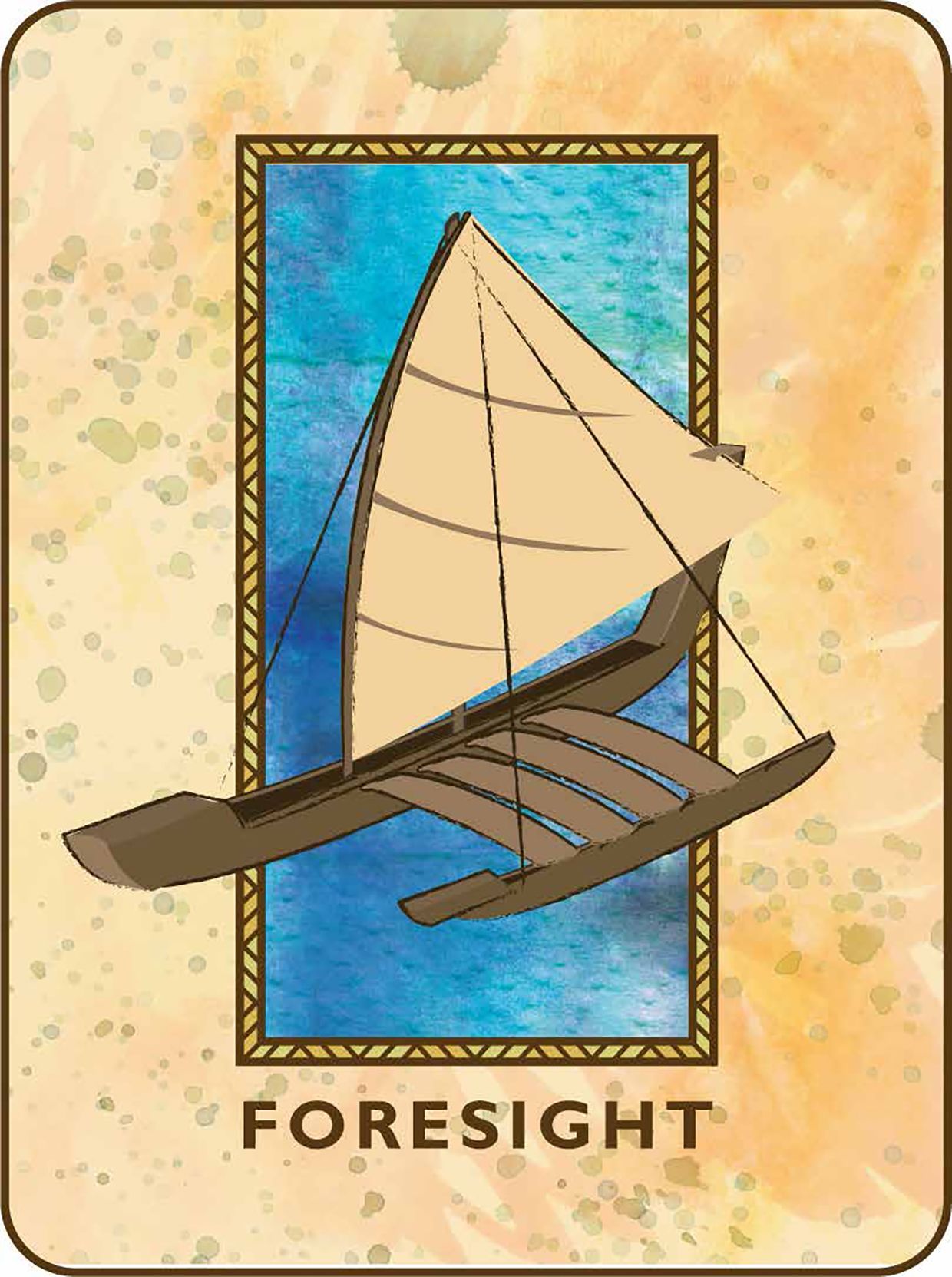
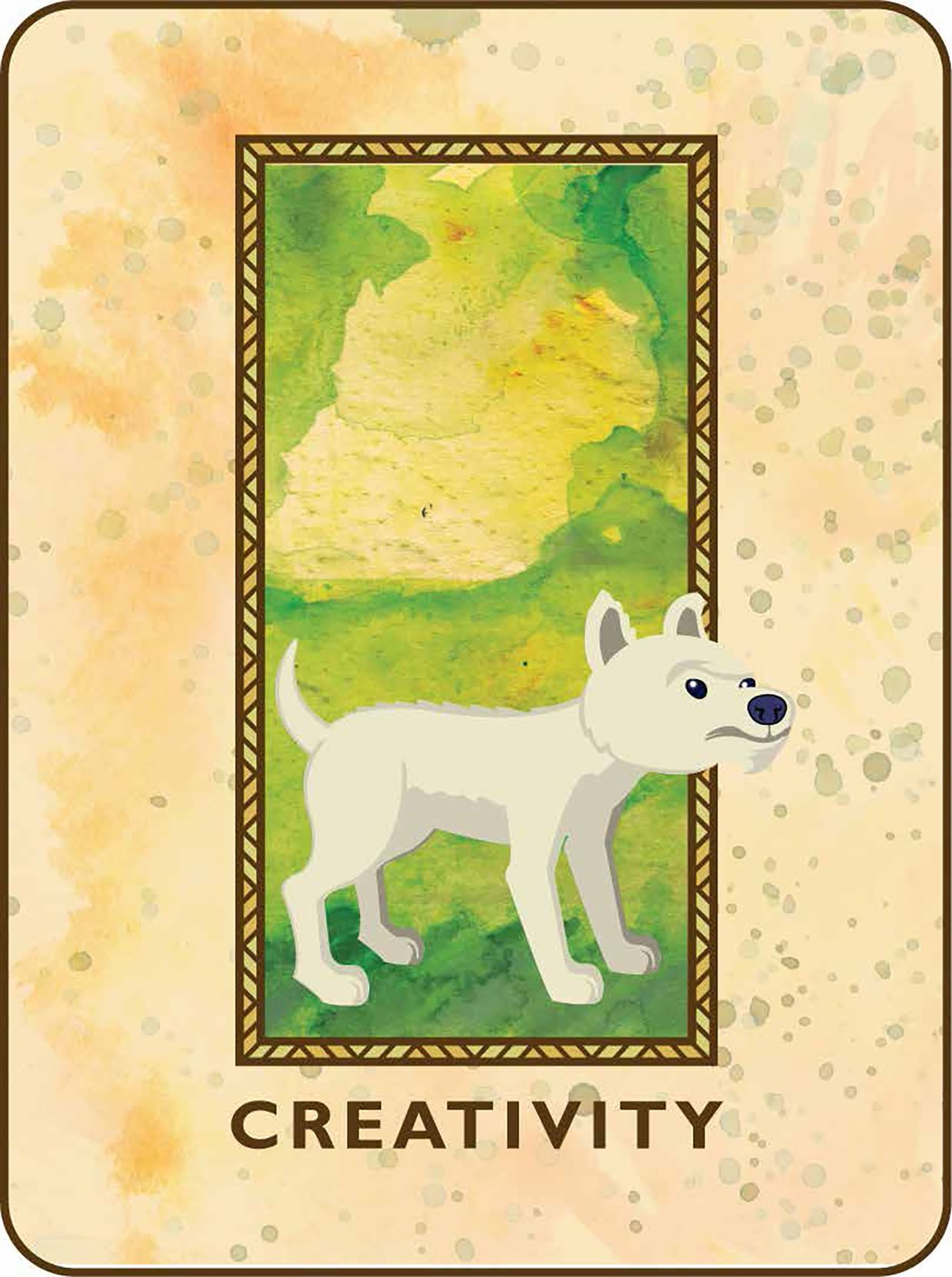
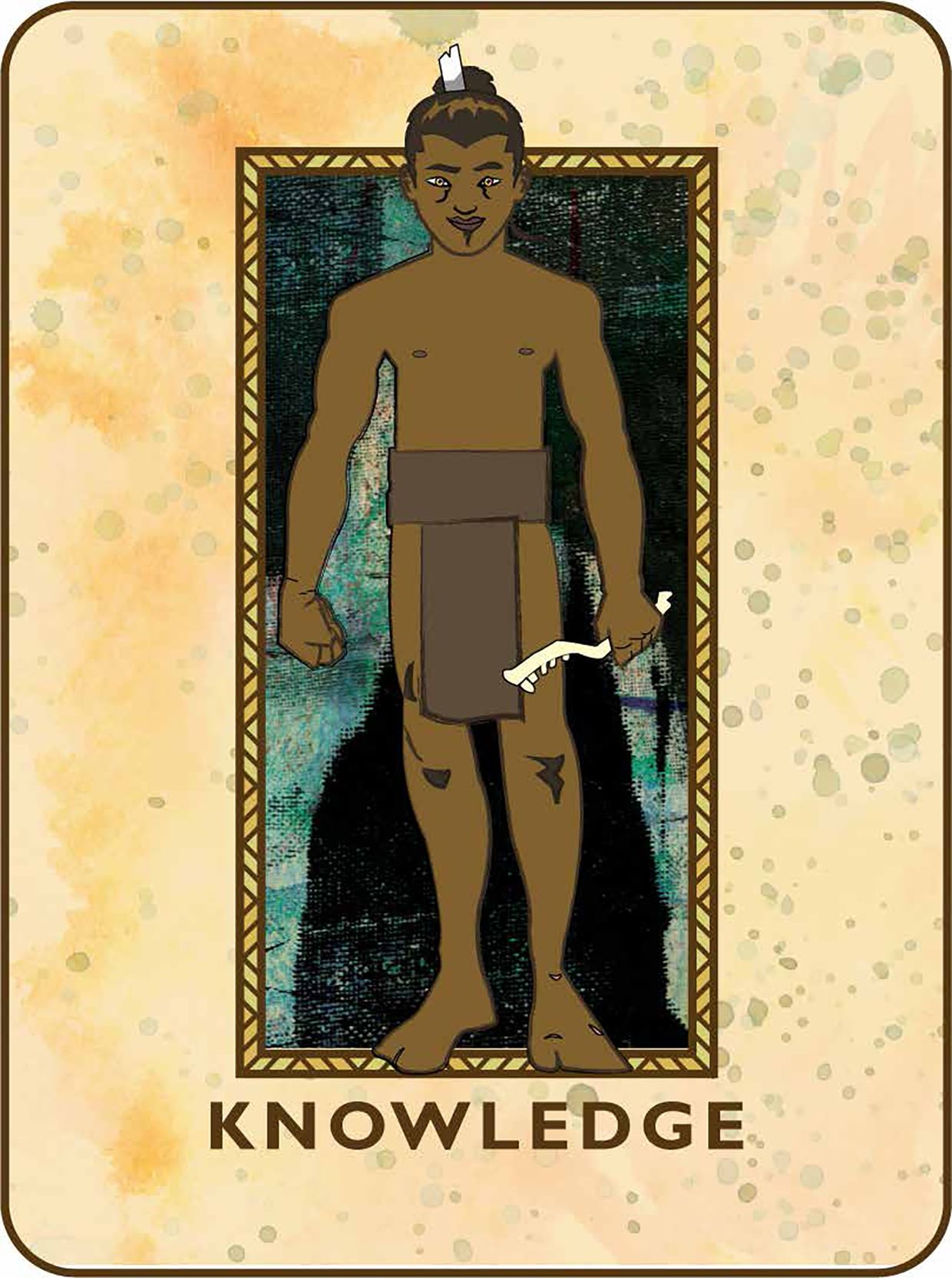
Images from traditional Māori creation narratives called pūrākau, reimagined for a new comic and picture-book hybrid by artist Zak Waipara.

Co-editor Dr Joe Sutliff Sanders, a comics specialist based at the Faculty of Education, University of Cambridge, said: “Comics have a much more varied cultural history than we tend to think, partly because we keep measuring them against a very narrow Anglo-European idea of what they are.”
“I grew up with Western comics that I absolutely love – but if we can only imagine comics as what a handful of big publishers tell us they should be, the artform will atrophy. Comics don’t have to be the things you buy in comic shops in London or New York. They can be something different.”
Comics and the Global South grew out of a 2022 Cambridge conference which explored the countercultures the art celebrates, and the political themes that often lie just beneath the surface of its tales of family, friendship and everyday life.
Dr Dibyadyuti Roy, faculty member in cultural studies and digital humanities at the University of Leeds and a co-editor, said: “I met Joe and our fellow editor, Andrea Aramburú, at the conference in Cambridge. We almost immediately found that we had common ground in our shared approach to comics as key sites for understanding visual storytelling across diverse, social and political contexts.”
Sanders has described comics as “the artform of people that are generally heard from less”. Because they are cheap to produce, easy to circulate, and popular with people who do not necessarily read other books, comics have a long tradition of being used to challenge power and channel the cultural expression of poor and minoritised communities.
Each chapter in the book focuses on a particular region or tradition, while also advancing a specific interpretative approach.

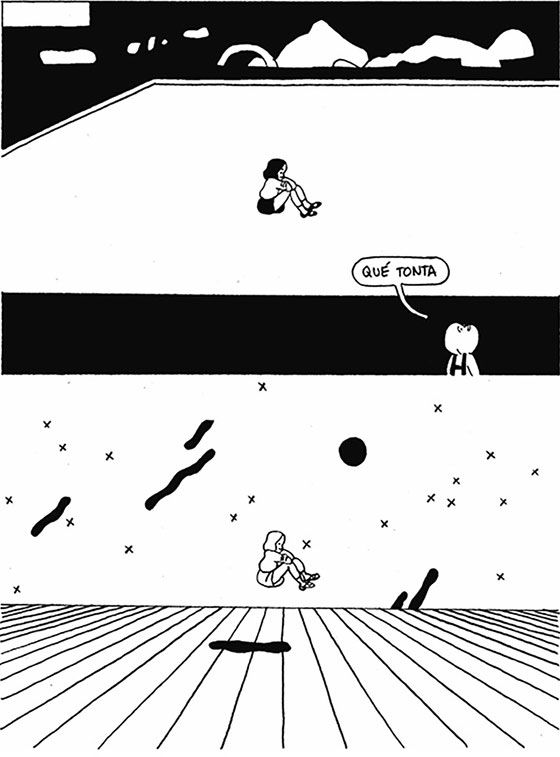
A page from Amanda Baeza’s comic, Nubes de talco. Baeza is a Chilean artist whose work imagines alternative worlds in which female characters escape cycles of abuse.
A page from Amanda Baeza’s comic, Nubes de talco. Baeza is a Chilean artist whose work imagines alternative worlds in which female characters escape cycles of abuse.
Brazilian scholar Leticia Simoes, for example, develops what she calls a malunga methodology to examine the work of women comic artists in South America. The term malunga originally described bonds formed between people forced together on slave ships. Simoes adapts it to examine how shared experiences of trauma, racism and displacement can generate solidarity among marginalised groups.
Her analysis includes the work of Brazilian artist Marilia Marz, whose disjointed, collage-like images reflect how Black women in Brazil often piece together their identities from fragmented moments; and Chilean cartoonist Amanda Baeza, whose comics imagine alternative worlds in which female characters escape cycles of abuse.
Simoes calls these practices escrevivência, or “write-existing”, a concept originally developed by Brazilian writer Conceição Evaristo. In the context of the malunga methodology, it refers to storytelling that asserts women’s needs and identities through a shared cultural language.
Other chapters show how comics creators tap into local traditions. In eastern India, artists are adapting Patachitra – a centuries-old form of scroll painting – into new kinds of visual storytelling. In New Zealand, Māori creators are reworking pūrākau – traditional creation narratives – into comic and picture book hybrids that reimagine these legends in modern form.

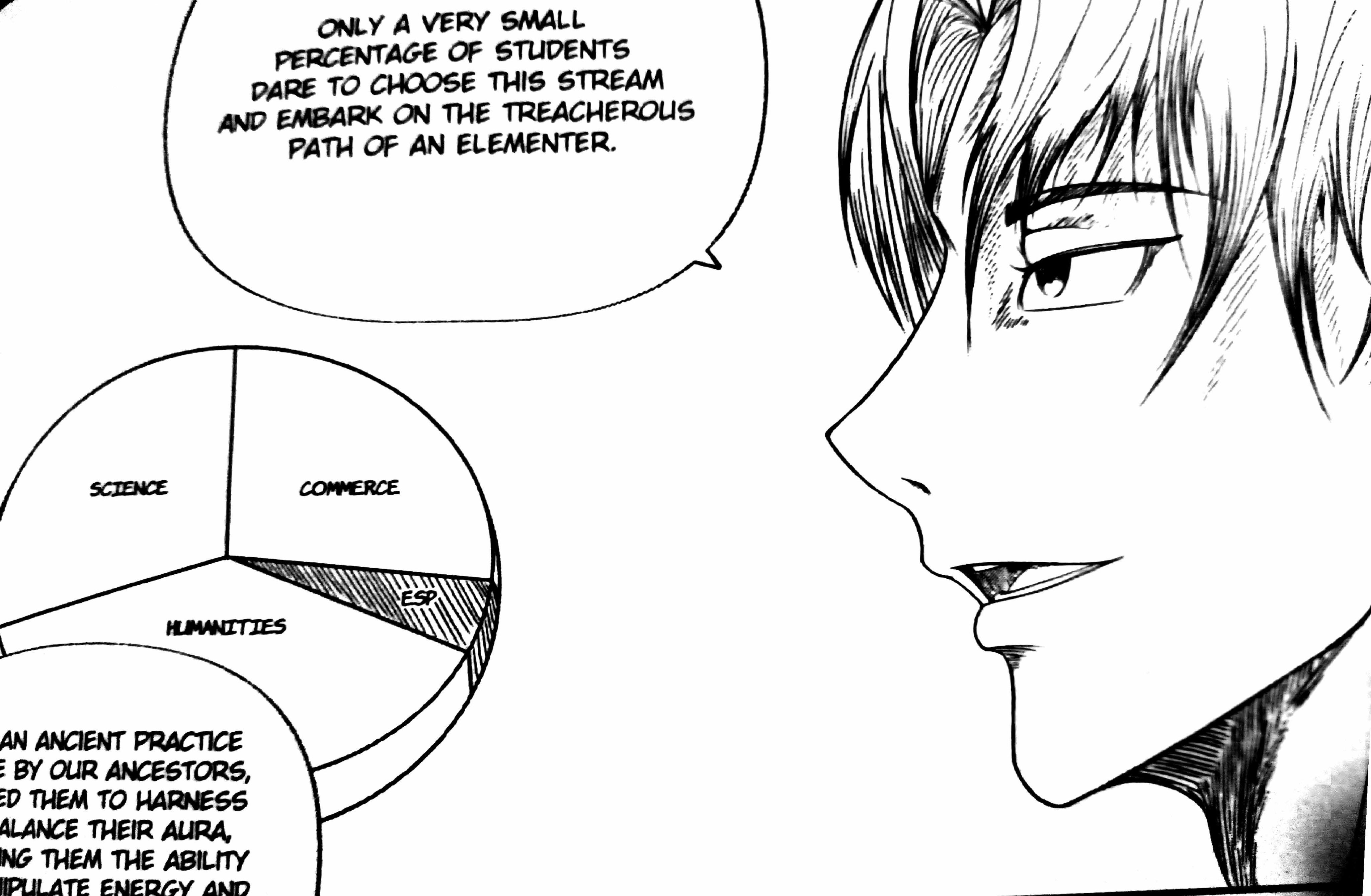
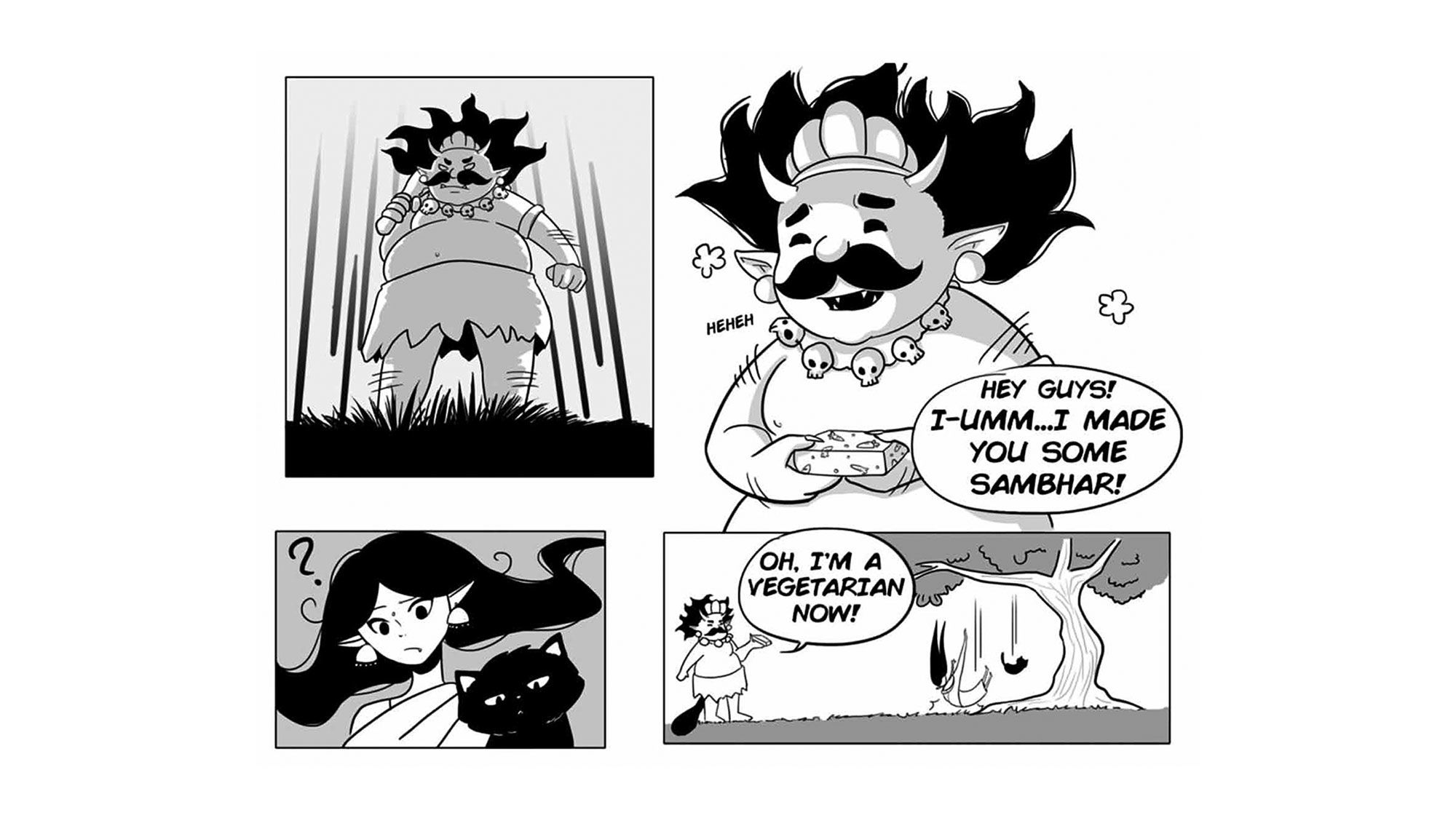
A distinctive case is the emergence of “Indo-manga”: comics by Indian artists who use the conventions of Japanese manga to speak to local audiences and concerns. Examples include Yakshi by Parvaty Menon, which follows the adventures of a bored Gen Z demoness who is perpetually glued to her smartphone; and the Nirvana series by Abhiray and Abiresh, which retell ancient tales as a modern action comic, but incorporates subtle nods to the everyday experiences of Indian youth.
The book also shows how comics have been used practically to empower marginalised communities. In Kenya’s vast Dadaab refugee camp, for example, where Somali refugees have been living indefinitely since the 1990s, comics have been part of a drive to lower unusually high maternal and neonatal death rates.
The issue was found to be linked to a ban on traditional “birthing attendants”, who play a crucial cultural and practical role during and after childbirth. In a study reported in the book, women collaborated on comics depicting their experiences and the work of these attendants. Following a successful trial at Kenyatta University, the comics are now being developed as training resources for midwives and humanitarian workers, encouraging maternity care that respects local knowledge.

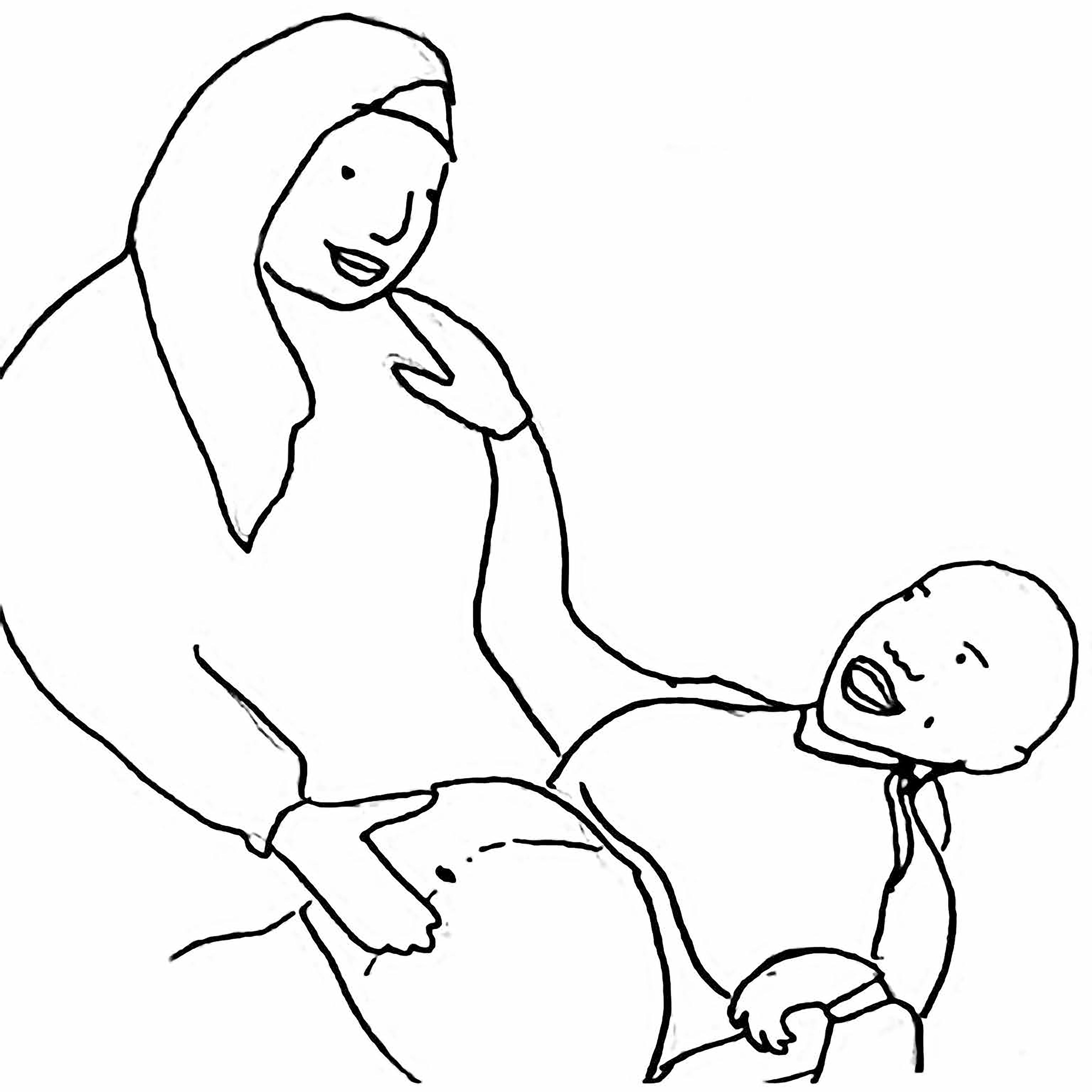
Illustration created by Somali refugee of a traditional birthing assistant with a pregnant mother, which was used to train midwives following a comics-based initiative in the Dadaab refugee camp, Kenya.
Illustration created by Somali refugee of a traditional birthing assistant with a pregnant mother, which was used to train midwives following a comics-based initiative in the Dadaab refugee camp, Kenya.
The books editors hope to encourage a new wave of scholarship that explores comics in the Global South from the perspective of their own cultural context. “There is already a lot of passionate, intelligent critical engagement with these comics,” Aramburú said, “but much of it has been waiting to enter the global conversation.”
“Of course I’d like people in British universities to read this, but more than that I want readers, students and fans in the Global South to use it. Hopefully it will deepen their enjoyment of the art, and at the same time encourage them to challenge some of the assumptions that still dominate comics culture in the West.”
Comics and the Global South is published by Leuven University Press. The digital edition will be free to read online. The project was funded through the KU Leuven Fund for Fair Open Access and the Research Development Fund at the Faculty of Education, University of Cambridge.
For the online, open access version, visit:
JSTOR: https://www.jstor.org/content/oa_book_edited/jj.31131063
PROJECT MUSE: https://muse.jhu.edu/book/138228
ORL: https://openresearchlibrary.org/content/9e455e3e-724a-4c25-ad7f-59056149cccb
Images in this story (top to bottom, where not already identified):
Image from Yakshi by Parvaty Menon, an Indo-manga comic which follows the adventures of a bored Gen Z demoness, reimagined from Indian mythology.
Image from Nirvana by Abhiray and Abiresh: a series of Indo-manga comics which retell ancient tales in modern form.